Project 3

Design system

A component foundation for many platforms

The system began as a set of shared primitives that multiple product teams needed but could not agree on. This case study covers the structural problems it solved and how the foundation was scoped to stay coherent across platforms.

Element 0 10 1024x768

Atomic components

Variants, states, and guidelines

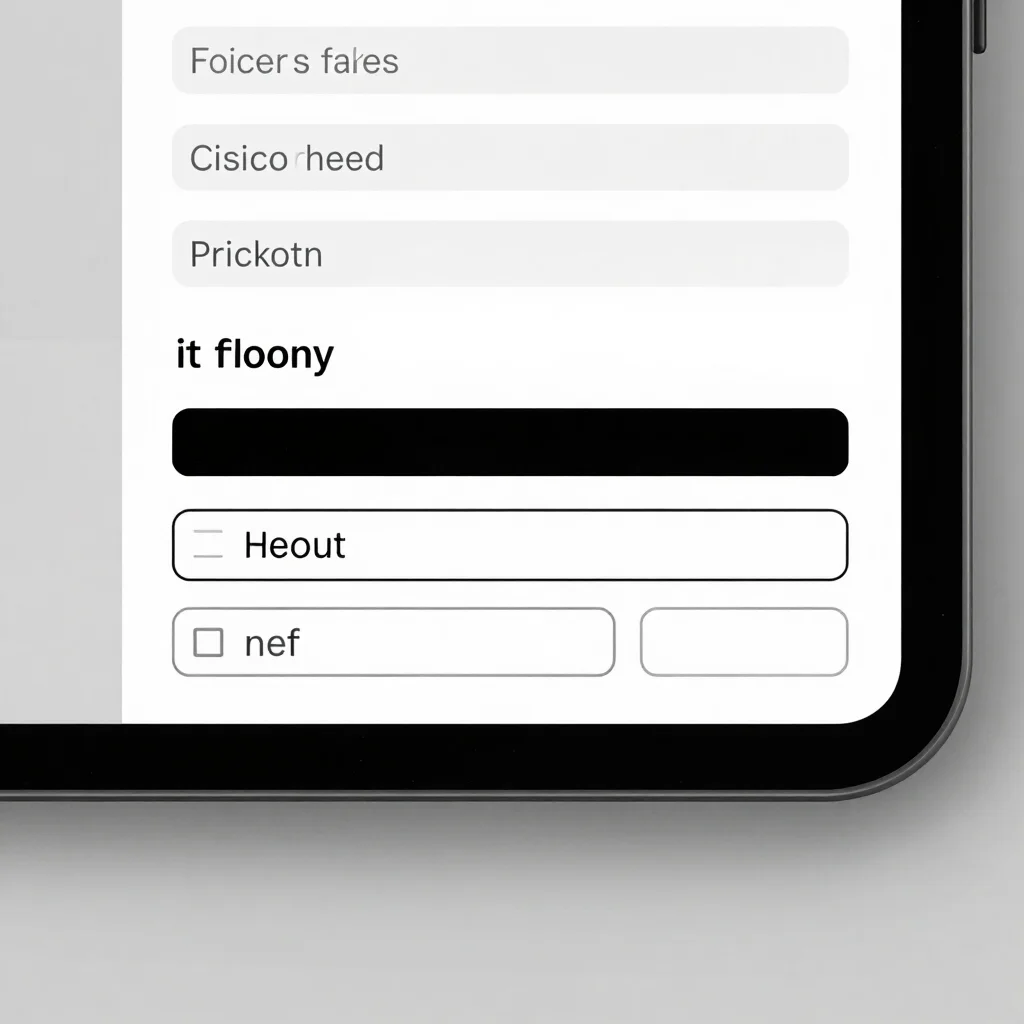
Each component was documented with its state variations and interaction rules, so teams could compose complex screens without redefining behavior.

Element 0 11
Element 0 12
Element 0 13

Reflection

What the system changed

Connecting design tokens directly to engineering implementation kept the source of truth shared between design and code, so changes to color, spacing, and type reached every platform from one place.

Governing the system as a product, with clear ownership and contribution rules, kept complex state variants consistent as the library grew. The main lesson was that scalability came from restraint in what the system chose to standardize.